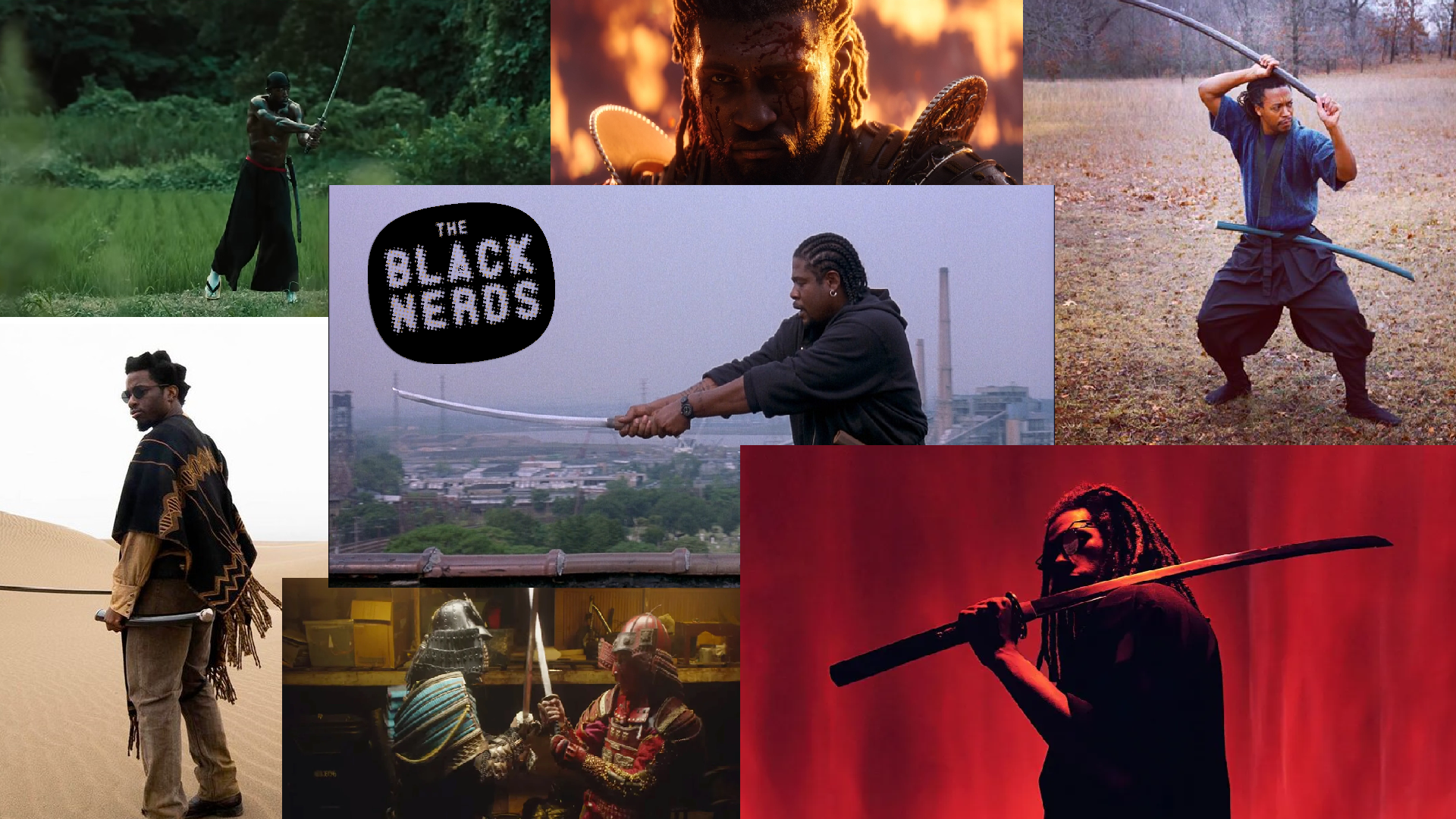
The backlash surrounding Yasuke’s presence in Assassin’s Creed Shadows tells us far more about the present than it does about the past.
What unfolded was not simply resistance to a character in a video game, but discomfort with what that character represented. As Black culture traced a suppressed historical connection, it also exposed an insecurity rooted elsewhere. The backlash revealed a fear that uncovering what was erased could weaken a colonial narrative that has long depended on omission, control, and selective memory.
The outrage was loud, predictable, and familiar. Claims of historical accuracy were weaponized. Cultural purity was suddenly urgent. And once again, a Black figure rooted in documented history was treated like an intrusion rather than a revelation.
What made this moment especially telling was how quickly the conversation slid from critique into panic. Yasuke, a real African man who lived in 16th century Japan and served under Oda Nobunaga, became framed as a modern invention. As if Black presence must always be explained, justified, or erased to preserve someone else’s comfort.
For those of us at The Black Nerds, this reaction felt less like surprise and more like confirmation.
Samurai Culture Has Always Spoken to Black Artists
The affinity between Black creatives and samurai culture is not accidental, and it is not new.
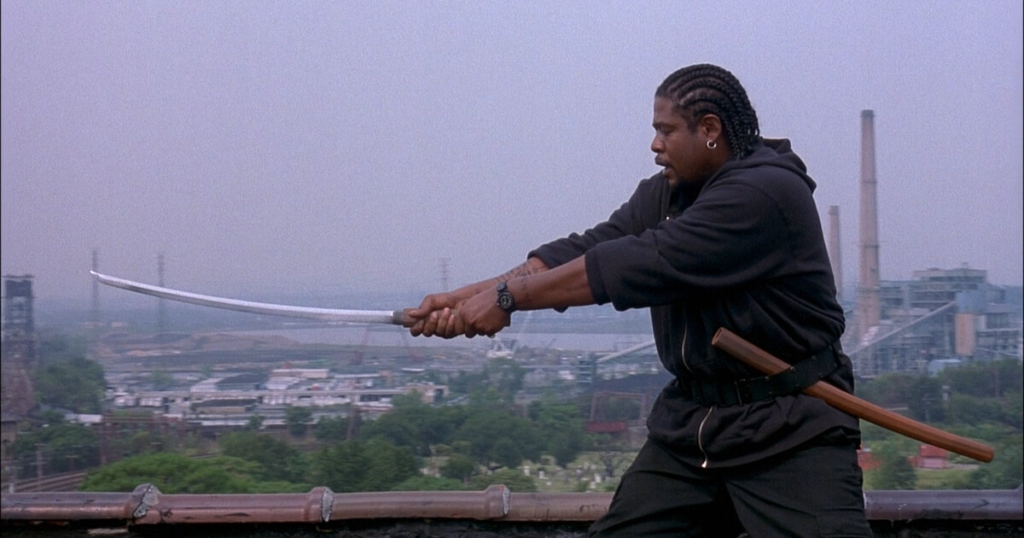
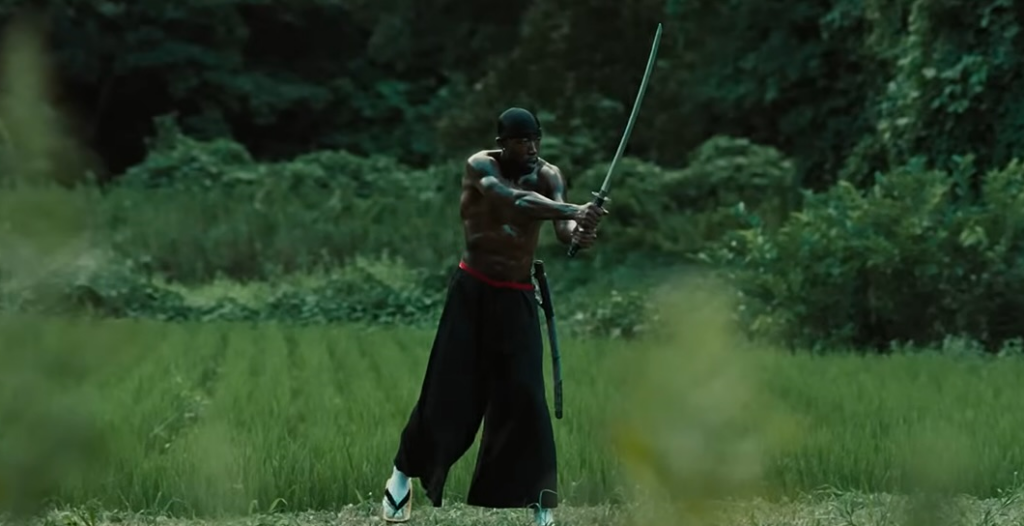
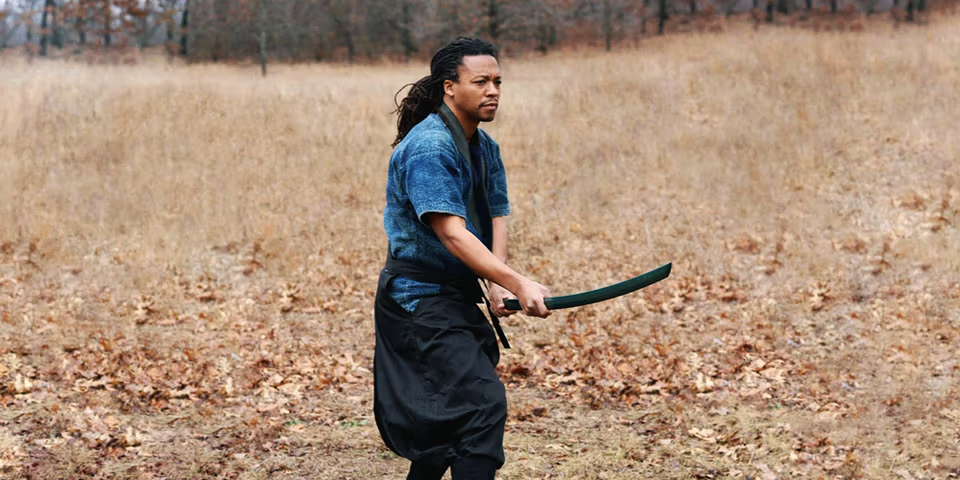
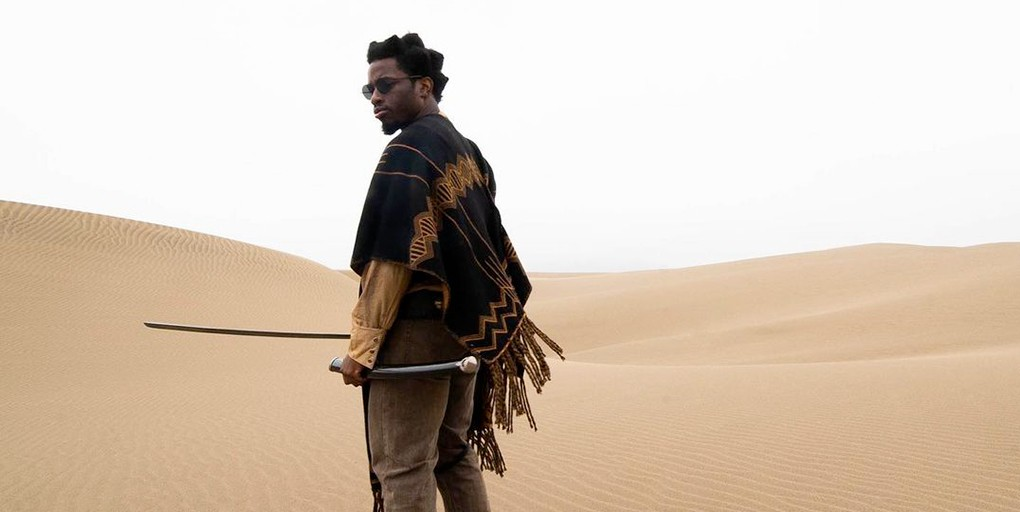
Artists like Lupe Fiasco, Denzel Curry, Thundercat, Freddie Gibbs, and Flying Lotus have long drawn from martial discipline, samurai philosophy, and Japanese aesthetics in ways that are intentional rather than decorative. Many of them practice martial arts. Many of them speak openly about discipline, mastery, restraint, and code.
These are not surface-level references. They are philosophical alignments.
The samurai ethic of devotion, self-control, loyalty, and spiritual rigor mirrors values that have long existed within Black survival, Black artistry, and Black resistance. The connection resonates not because it is exotic, but because it is legible.
Anime Made the Connection Impossible to Ignore
If hip-hop was the language, anime became the archive.
Samurai Champloo, created by Shinichirō Watanabe with music by Nujabes, did not treat hip-hop as a novelty layered onto Japanese history. It embedded it into the DNA of the world. Graffiti existed alongside feudal villages. Lo-fi beats narrated sword fights. Edo-period Japan moved to the rhythm of turntables.
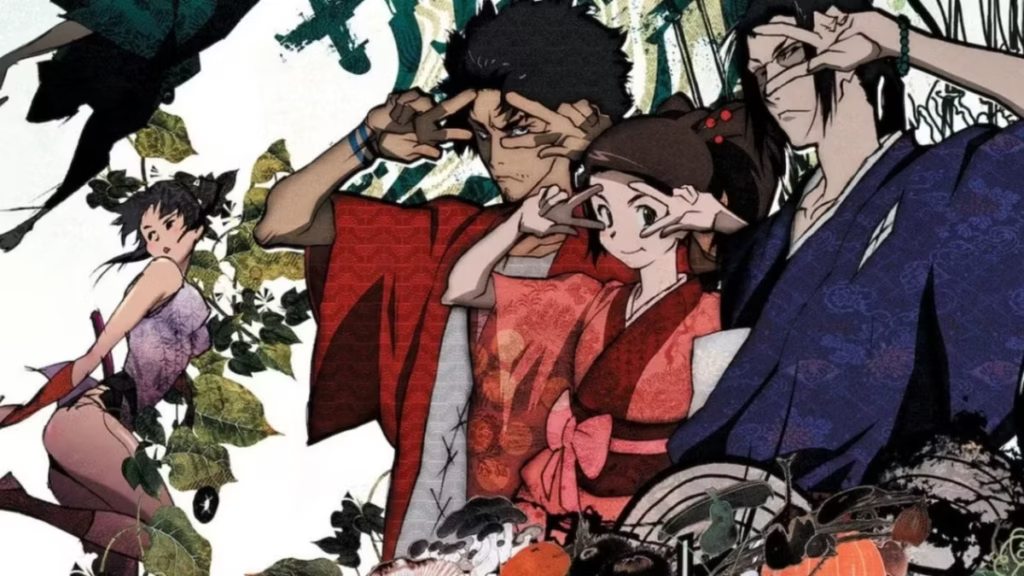
This was not parody. It was synthesis.
Then came Afro Samurai, created by Takashi Okazaki and scored by RZA. A Black samurai was no longer subtext. He was the center. His grief, rage, discipline, and isolation were not metaphors. They were the story.
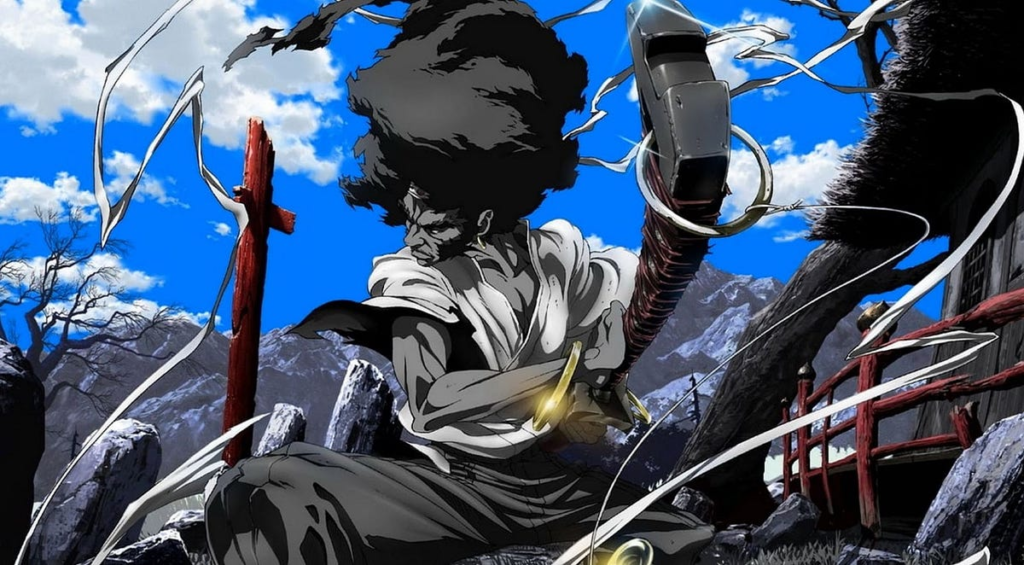
For Black nerds, this was not escapism. It was recognition.
It was the reconstruction of a connection that did not rely on colonial fascination or approval. It was a lineage that felt intuitive, even when it made others uncomfortable.
Yasuke Is Not a Symbol. He Was a Man.
The discomfort around Yasuke is rooted in a refusal to accept that Black history is global, complex, and often inconvenient.
Yasuke was brought to Japan in the 1500s. He entered the service of Oda Nobunaga. He fought. He lived. His presence is recorded, even if the details are incomplete. That incompleteness is not evidence of fabrication. It is evidence of how history chooses what to preserve.
What frustrates many critics is not accuracy, but disruption. Yasuke challenges the idea that Japanese history, samurai culture, or heroism itself can exist without Black involvement.
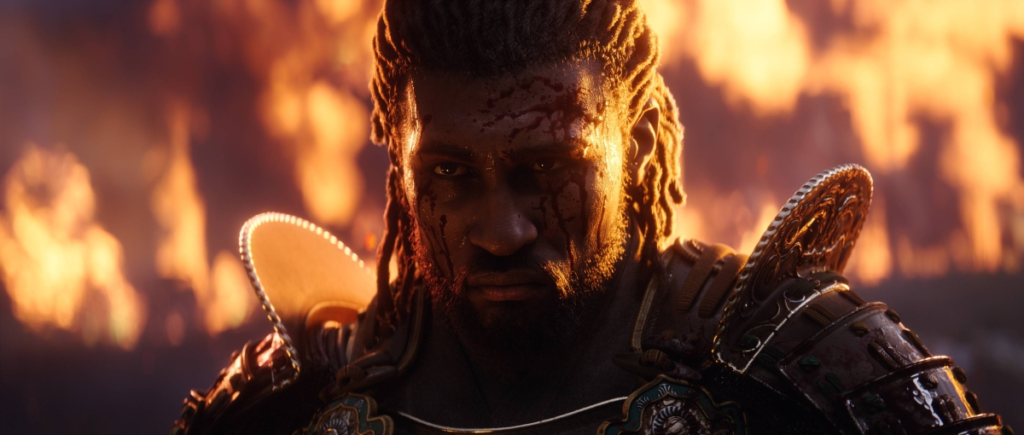
And when Ubisoft placed him at the center of a global franchise, the backlash exposed an anxiety that has nothing to do with games.
Hip-Hop as Cultural Translator
Hip-hop has always been more than music. It is a method of curation and communication.
From Ghost Dog: The Way of the Samurai to Samurai Champloo to Afro Samurai, hip-hop has acted as a bridge between eras, geographies, and philosophies. It translates ancient codes into modern survival language. It carries history forward without flattening it.
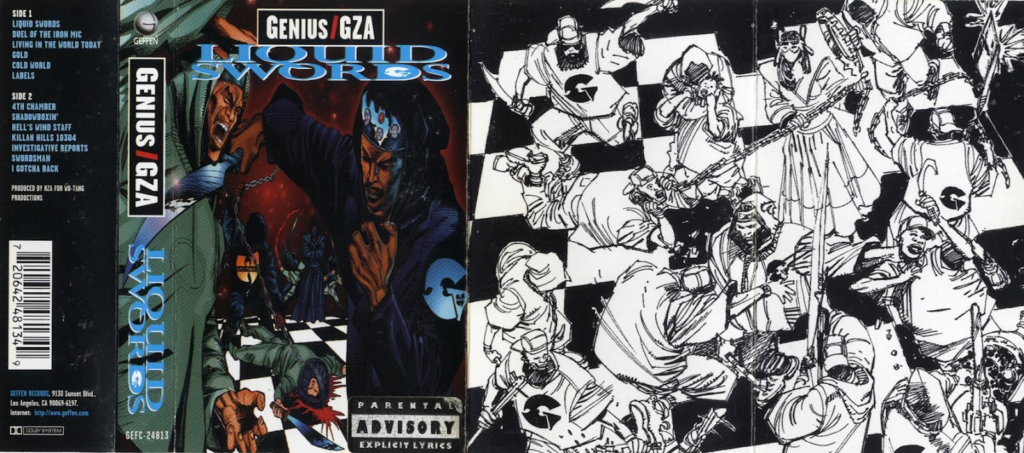
This is why these stories endure. They do not dilute samurai culture. They expand its reach.
Why the Backlash Matters
The resistance to Yasuke is part of a broader pattern. One where Black presence is treated as modern contamination rather than historical fact. One where curiosity is replaced with gatekeeping. One where Black joy, Black discipline, and Black mastery are constantly interrogated.
For The Black Nerds, this is where we stay attentive.
We can hold joy and vigilance at the same time. We can celebrate games, anime, and art while naming the discomfort that surfaces when Black narratives refuse to stay small. We can recognize that these cultural collisions are not accidents, but continuations.
Yasuke is not an anomaly. He is a reminder.
And the reason his story keeps returning is because some truths do not disappear just because they make some people uneasy.